With spring’s swift arrival here in Mississauga, temperatures are rising, and at last, drivers can look forward to improved conditions on the road. With winter out of the way, there’s no longer the same risk of unpredictable temperature and aggressive weather to create challenging road conditions, and that means you can drive with a bit more confidence.
This also means that if you've taken the precaution to drive safe by using winter tires, it's about that time to consider winter tire removal and put them away for the season. You should never keep your winter tires on and drive them during the spring and summer; this just wears the tires down. That will, in turn, impact their performance and traction when the time comes to count on them.
Practice winter tire storage and replace those tires with your summer or all-season tires. But how do you go about this? Cooksville Hyundai is here with some tips to help.
Who is Storing Your Tires?
In general, there are two answers to this question. Either you have decided to store the tires yourself, or if you lack the space and you’re willing to pay for it, you’re entrusting the storage of your winter tires to someone else, such as a tire service or trusted auto mechanic that you know.
If you’re entrusting your tires to someone else, always choose a service that is experienced and reliable. If cars and tires are their expertise, then they are likely to do all the heavy lifting for you, including removing the tires, making sure everything is fine, and then storing them until winter arrives, and you return to have them installed.
However, if you’ve decided you want to store the tires yourself, there are some procedures that you should observe for proper winter tire storage.
Inspect Your Tires
You should always give your tires a good examination once they’re off the car. Check for cracks, excessive wear, or other deficiencies. You may find that after being in use for a few seasons, the signs show that it’s time to replace your tires with new ones, so always make sure they’re still in good shape before putting them away for the season and remember to always check the tire depth.
Clean the Tires
This is an important step before you store the tires. After all those months of driving over ice, snow, salt, mud, and dirt, it goes without question to assume that your tires are probably going to be very dirty. Cleaning the tires before storing them is about more than hygiene and aesthetics; it’s good for the longevity of the tires as well.
Some substances, like salt, are corrosives, meaning that if they are left on a surface long enough, they will chemically interact with that surface, often weakening it. This is why your tires, which may have picked up salt or any other number of substances, shouldn’t just be left with those chemicals lingering on the rubber surface. Clean out your tires so that they are both easier to handle and better prepared for seasonal storage.
Don’t Store Them Outside
Even if the weather is great during the spring and summer, winter tires should never be stored outdoors. This poor storage choice will affect the longevity of the tires. You may think that since these tires just spent months on the road, and in parking lots, that sitting around exposed to warm weather would be harmless, but that is incorrect. Ultraviolet exposure, as one example, can shorten a tire's lifespan. Rain and other elements can do the same thing if the tires are just left sitting outside, with no protection.
Wrap or Bag Your Tires
Ideally, you’ll put your tires in some container, preferably an opaque one so that it doesn’t admit light, and it is also airtight. There are also specialized tire bags that perform these functions best. The less air your tire is exposed to, the more you preserve its structural integrity when not in use. Unnecessary, constant exposure to ozone in the air will oxidize the tires and weaken the rubber.
A Stable Environment is Better
If you’re going to store your tires yourself, and you’ve wrapped or bagged them, a cool, dry place with little temperature variation is ideal. A garage is prone to too many environmental fluctuations, but, if forced to choose between outdoors and in a garage, a garage is better than nothing.
However, if you can store your tires in a basement or other environment that is more carefully controlled, this will contribute to the preservation of your tires and guarantee better storage. Sump pumps, furnaces, and electric motors all generate ozone as a by-product, so if your tires are in the basement, keep them far away from these sources to prevent oxidation.
Hanging or Stacking?
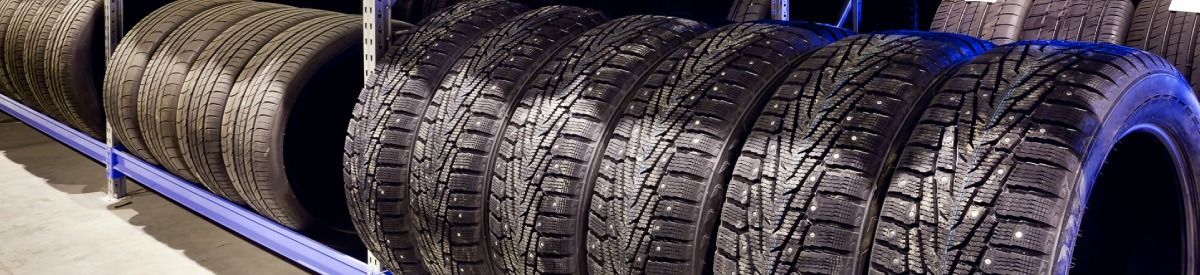
Another decision you’ll have to make is the positioning of your tires. If your tires are still mounted on rims, and you’re willing to make the expenditure, you can buy mounts that let you hang the tires. However, if your tires don’t have rims, you are strongly advised against hanging the tire, as this can deform the shape if left hanging for several months.
If you’re stacking the tires, think about putting them on a shelf or rack. You can, if you have no other options, pile your tires on top of each other, but if you do this, try to rotate their positions once a month, so that they don’t get damaged from constant pressure on just one side.
With these winter tire storage techniques, you'll be keeping your tires safe and in great condition for when the cold weather returns and the roads demand a change in tires.
You might also be interested in these blogs: