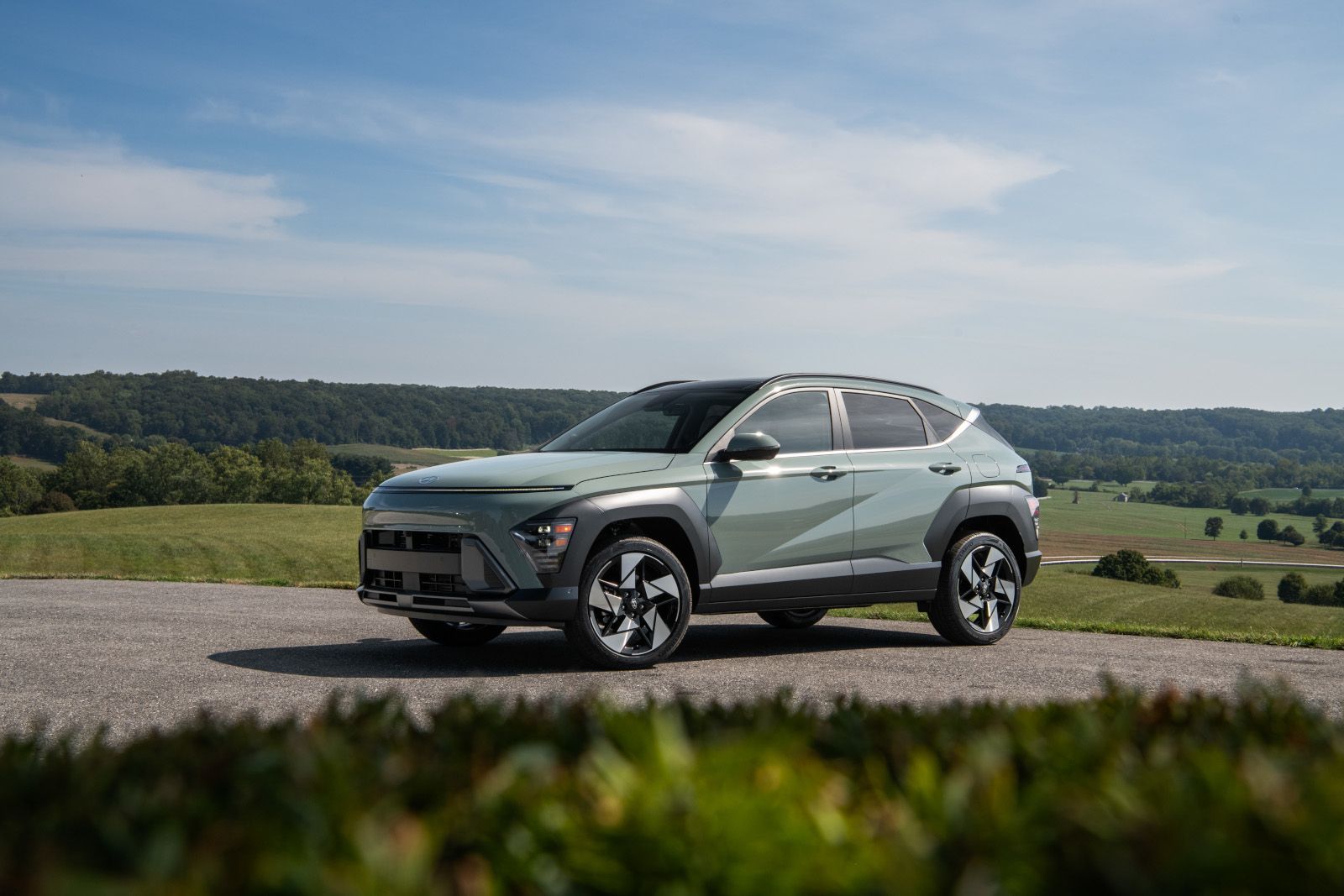
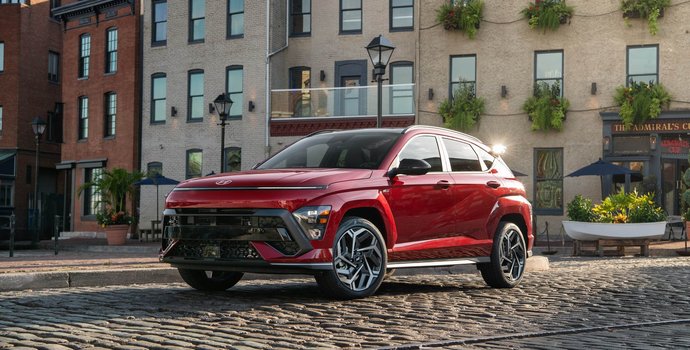
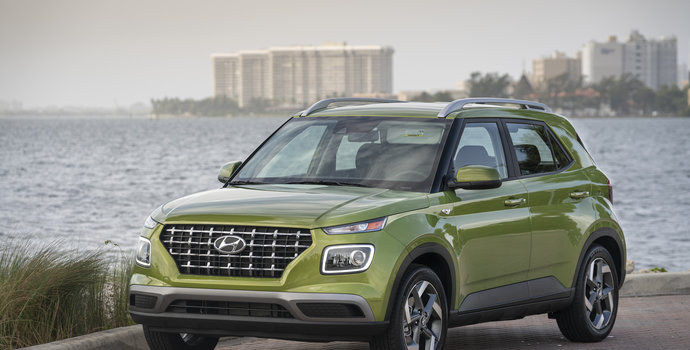
Choosing your next subcompact crossover in Mississauga often comes down to two strong Hyundai options: the 2026 Venue and the 2026 Kona. Both deliver the practicality of a small SUV with the daily driving manners of a city-friendly hatchback, but they target different buyers, lifestyles, and budgets.
This side-by-side guide walks Ontario shoppers through the powertrain, dimensions, technology, and trim differences that matter most. By the end, you'll have a clear picture of which Hyundai crossover lines up with how you actually drive — from QEW commutes to weekend trips up to Muskoka.
Explore Hyundai SUV Inventory
Choosing between the Hyundai Venue and Hyundai Kona starts with finding the right fit for your lifestyle. Browse Cooksville Hyundai’s SUV inventory to compare compact size, smart technology, everyday comfort, and city-friendly versatility.
Shop New Hyundai SUVs >
At a Glance: 2026 Hyundai Venue vs. 2026 Hyundai Kona
|
Spec
|
2026 Hyundai Venue
|
2026 Hyundai Kona
|
|
Segment
|
Entry-level subcompact crossover
|
Subcompact crossover
|
|
Engine (Base)
|
1.6L I4 (121 hp / 113 lb-ft)
|
2.0L I4 (147 hp / 132 lb-ft)
|
|
Engine (Top)
|
Same 1.6L across all trims
|
1.6L Turbo I4 (190 hp / 195 lb-ft) — N Line
|
|
Transmission
|
Smartstream IVT
|
IVT or 8-speed automatic (N Line)
|
|
Drivetrain
|
FWD only
|
FWD or AWD (HTRAC)
|
|
Combined Fuel Economy
|
7.5 L/100 km
|
7.5–9.0 L/100 km (varies by trim)
|
|
Overall Length
|
4,040 mm
|
4,350–4,385 mm
|
|
Cargo (seats up)
|
528 L
|
723 L
|
|
Seating
|
5
|
5
|
|
Trims
|
Essential, Preferred, Ultimate
|
2.0L Essential, 2.0L Preferred, 2.0L Preferred with Trend Package, N Line, N Line with Ultimate Package
|
Powertrain and Driving Character
The Venue keeps things simple. Every trim runs the same 1.6L four-cylinder engine paired with a Smartstream Intelligent Variable Transmission, sending power to the front wheels. It's tuned for efficient urban driving, with a combined rating of 7.5 L/100 km. For drivers who spend most of their time in Mississauga traffic, picking up groceries on Dundas, or running errands around the GTA, the Venue's lighter weight and tighter 5.1-metre turning radius make tight parking and stop-and-go much easier.
The Kona steps up in nearly every performance metric. The base 2.0L produces 147 horsepower and 132 lb-ft of torque, while the N Line and N Line with Ultimate Package upgrade to a turbocharged 1.6L engine producing 190 horsepower and 195 lb-ft of torque, paired with an 8-speed automatic. The Kona also adds HTRAC All-Wheel Drive as an option on Essential and Preferred trims, and as standard equipment on Preferred with Trend Package, N Line, and N Line with Ultimate Package — a feature the Venue does not offer at all.
For Ontario buyers who deal with snowy winters, ice-covered driveways, and the occasional cottage road, AWD availability is one of the biggest practical differences between these two crossovers.
- Venue: One engine, one transmission, FWD only — built for efficiency and city use
- Kona base: More power, AWD optional, still IVT-smooth on the highway
- Kona N Line: Turbocharged 1.6L with 8-speed automatic and standard AWD for sportier driving
Size, Cargo, and Everyday Practicality
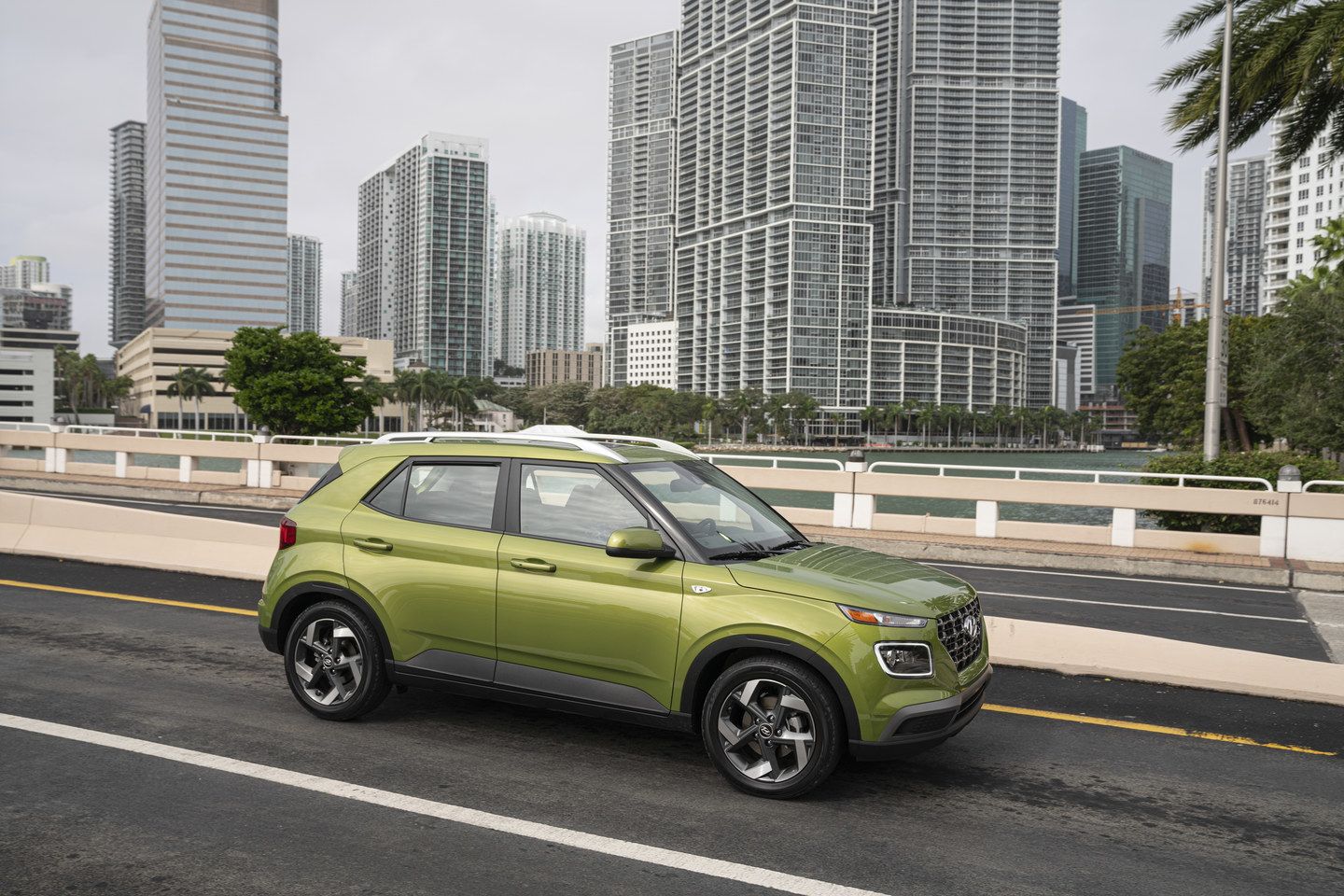
The Venue is shorter, narrower, and lighter than the Kona, which is part of why it slips into tight parking lots so easily. At 4,040 mm long with a 2,520 mm wheelbase, it's well-suited to apartment garages and downtown street parking near Square One. Cargo room is reasonable for the class: 528 L behind the rear seats and 902 L with them folded.
The Kona is the larger vehicle in every external dimension and noticeably more spacious inside. Overall length stretches to 4,350 mm on 2.0L trims and 4,385 mm on N Line trims, with a longer 2,660 mm wheelbase that adds rear-seat legroom. Cargo capacity jumps to 723 L behind the second row and 1,803 L with the seats folded — meaningful when you're loading hockey gear, strollers, or weekend luggage for a family in Ontario.
Ground clearance is another factor for drivers who tackle slushy winter streets or unpaved roads on the way to a cottage. The Venue offers 170 mm, while the Kona ranges from 170 mm on FWD trims to 205–210 mm on AWD and N Line configurations.
Interior and Technology
Both crossovers come standard with an 8-inch (Venue) or 12.3-inch (Kona) touchscreen and Wireless Apple CarPlay and Android Auto. The Venue covers the essentials well: heated front seats, a wireless charging pad, rearview camera, and a 4.2-inch driver display across all trims. Step up to the Ultimate and you'll add a power sunroof, automatic climate control, and 17-inch alloy wheels.
The Kona's interior is more advanced from the ground up. Standard equipment on every trim includes a 12.3-inch infotainment touchscreen, Bluelink Connected Car System, Over-The-Air software updates, four USB-C ports, and the 4.2-inch gauge cluster display (12.3-inch digital cluster available on higher trims). Heated front seats, a heated steering wheel (haptic), proximity key with remote start, and push-button start come standard across the lineup — features that are typically reserved for higher Venue trims.
Where the Kona pulls further ahead is in driver assistance technology. Standard Hyundai SmartSense features include Highway Driving Assist, Smart Cruise Control with stop & go, Intelligent Speed Limit Assist, and Safe Exit Warning — systems that aren't available on the Venue.
Trim Lineup and What Each One Offers
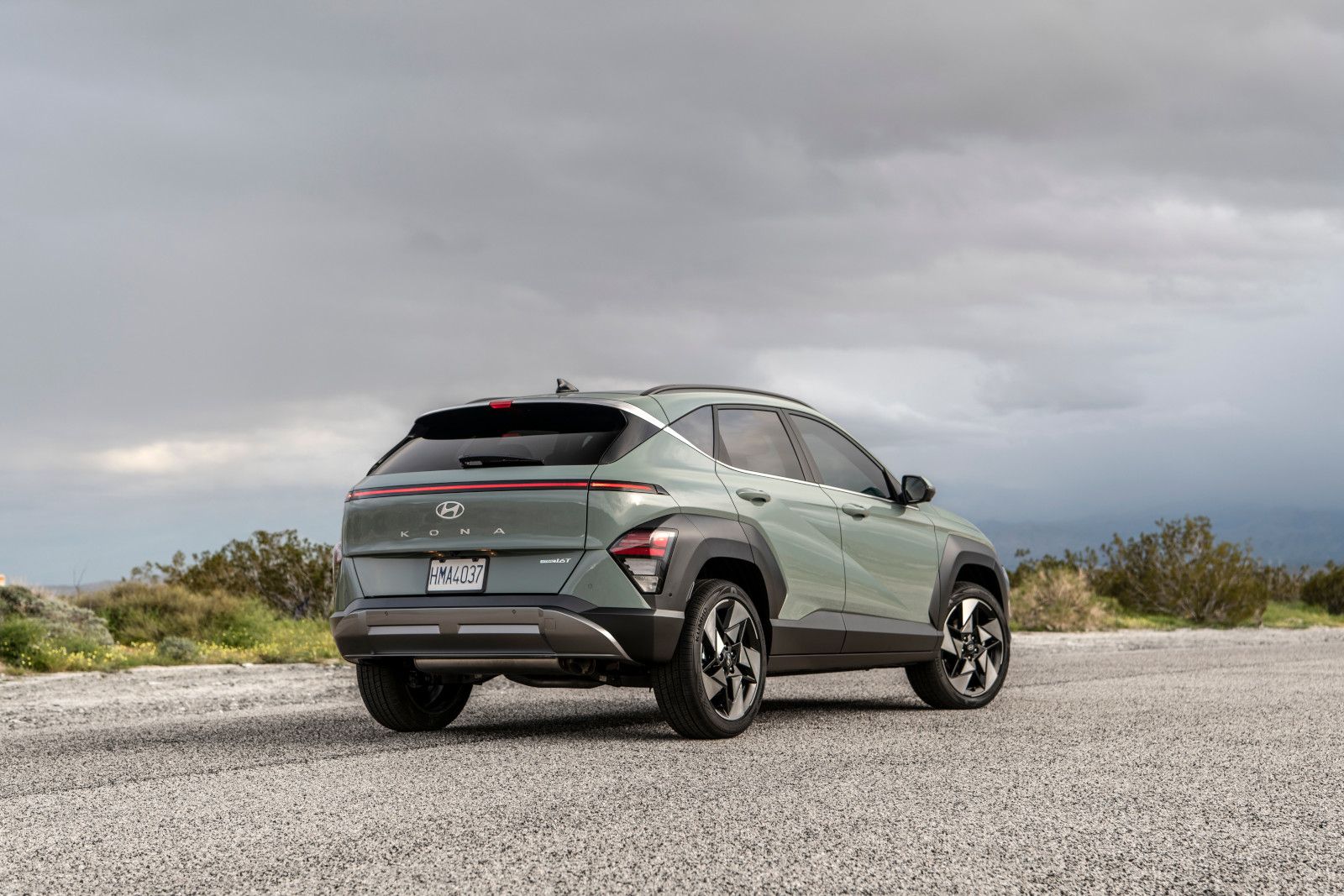
The Venue offers a clean three-trim structure: Essential, Preferred, and Ultimate. Each adds practical features without overcomplicating choices.
- Essential: 15-inch steel wheels, halogen headlights, 8-inch touchscreen, heated front seats, wireless charging pad
- Preferred: Adds 15-inch alloy wheels, roof rails, proximity key with remote start, push-button start, heated steering wheel, Drive Mode Select (snow/mud/sand), Blind-Spot Warning, Rear Cross-Traffic Warning
- Ultimate: Adds 17-inch alloy wheels, LED headlights, power sunroof, automatic climate control, premium cloth with leatherette bolsters
The Kona's five-trim lineup gives buyers a wider range of configurations:
- 2.0L Essential: 17-inch alloy wheels, LED headlights, 12.3-inch infotainment, heated front seats, push-button start, Hyundai SmartSense
- 2.0L Preferred: Adds wireless charging, dual-zone climate, heated steering wheel
- 2.0L Preferred with Trend Package: Standard AWD, contrast roof, upgraded styling cues
- N Line: 1.6L turbo, 8-speed automatic, AWD standard, sport-tuned styling, sport seats
- N Line with Ultimate Package: Adds 12.3-inch digital gauge cluster, Bose premium audio, head-up display, Highway Driving Assist 2, and additional comfort features
Which Hyundai Crossover Is Right for You?
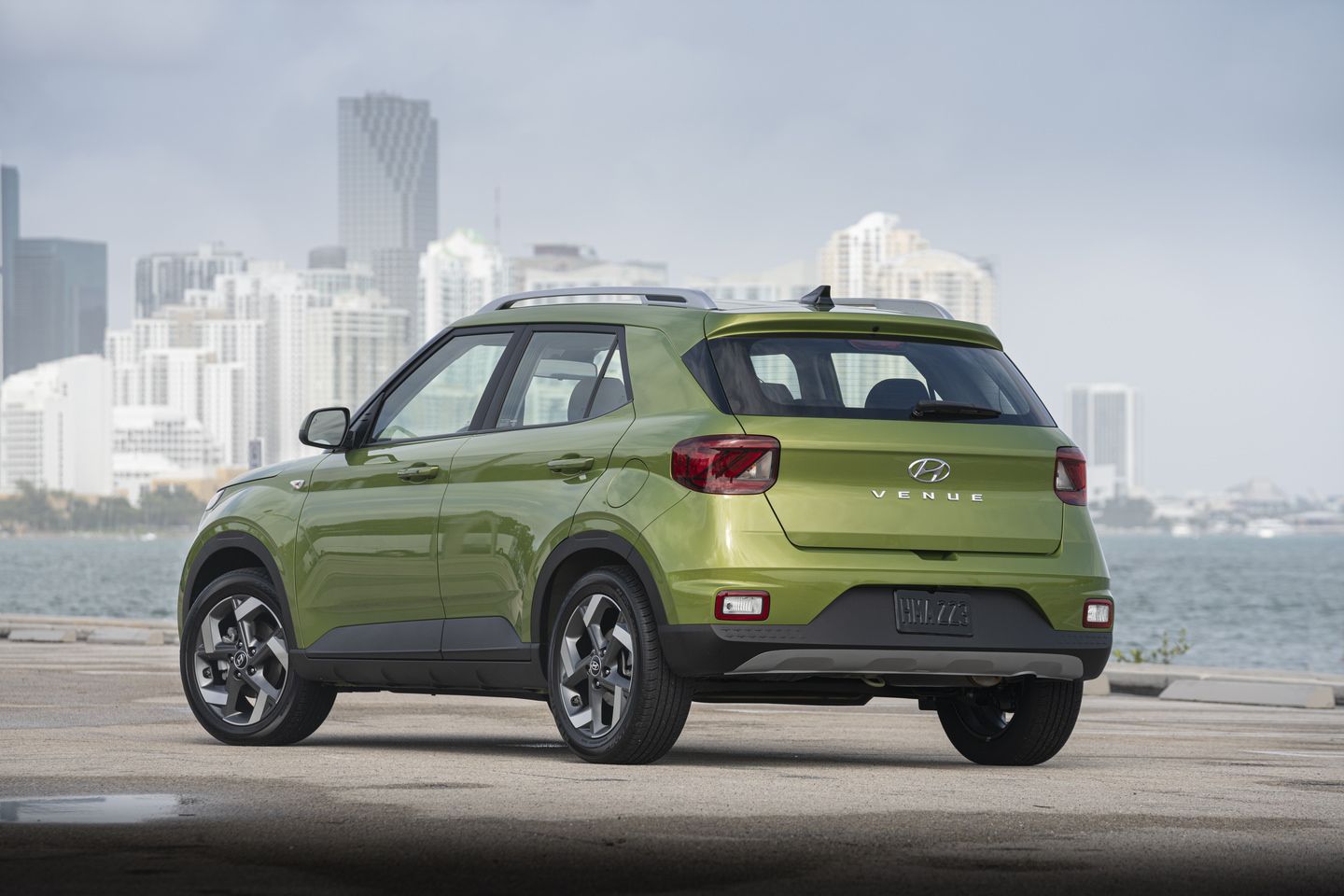
If your priority is the lowest entry price, urban manoeuvrability, and the smallest footprint possible while still getting heated seats, a wireless charging pad, and modern safety tech, the Venue is the smart pick. It's an excellent first new vehicle, a great second car for a Mississauga household, or a fuel-efficient option for drivers who rarely leave the city.
If you want more power, available All-Wheel Drive for Ontario winters, significantly more cargo room, a larger touchscreen, and access to advanced driver assistance like Highway Driving Assist and Smart Cruise Control, the Kona earns the upgrade. The N Line and N Line with Ultimate Package also bring a turbocharged engine and sportier driving feel that the Venue simply isn't built to deliver.
Both vehicles share Hyundai's 5-year / 100,000 km Comprehensive Limited Warranty and Roadside Assistance Program, so reliability and ownership peace of mind are equal across the lineup.
Compare the 2026 Venue and Kona at Cooksville Hyundai
The best way to decide between these two crossovers is to drive them back-to-back. Book a test drive with our team at Cooksville Hyundai in Mississauga and we'll walk you through both models, answer your questions about trim packages, and help you find the right fit for how you drive every day in Ontario.
You might be interested in these blogs: