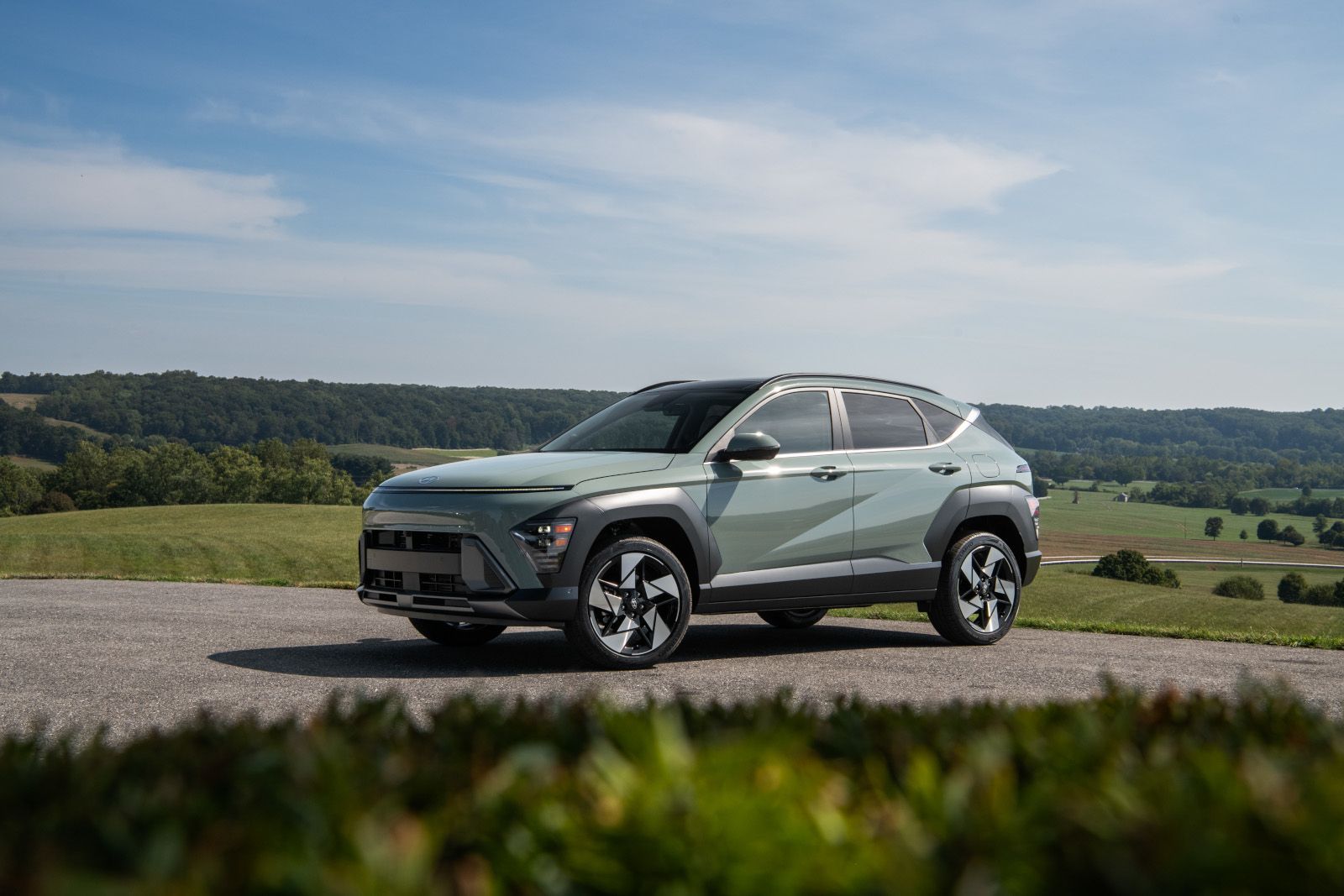
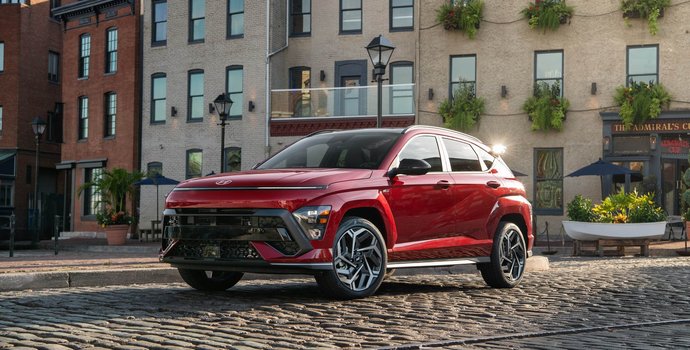
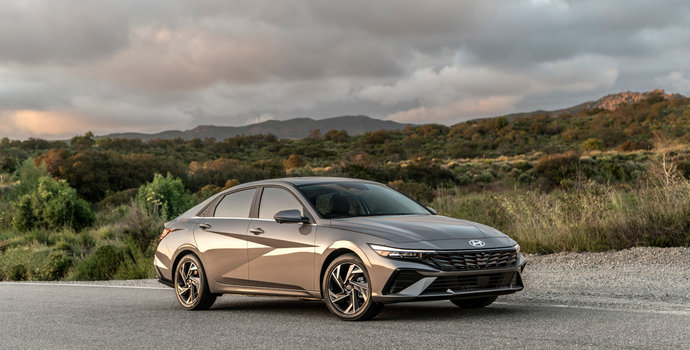
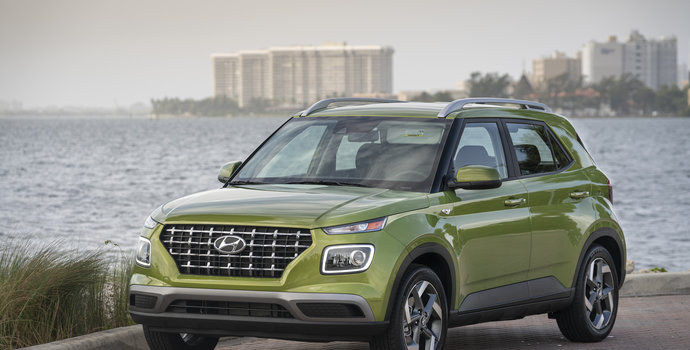
Choosing between the 2026 Hyundai Tucson and 2026 Hyundai Kona means deciding between two thoughtfully designed SUVs that serve different driving priorities. The Tucson steps up as a compact SUV with more interior space and multiple powertrain options, while the Kona offers a smaller, more fuel-efficient package that excels in urban environments. Both vehicles deliver Hyundai's latest technology and safety features, but their distinct personalities make each one better suited for specific lifestyles.
Understanding these differences helps narrow your decision to the vehicle that truly matches your daily needs. Whether you prioritize cargo capacity and passenger comfort or prefer nimble city driving and lower operating costs, these two SUVs offer clear advantages in their respective areas. Let's examine how they compare across the factors that matter most to Ontario drivers.
Explore Our Hyundai SUV Lineup
From the versatile Kona to the spacious Tucson, find the Hyundai SUV that fits your lifestyle. Visit Cooksville Hyundai to compare models, features, and financing options — and discover your next new vehicle.
Shop Hyundai SUVs >
At a Glance: Tucson vs. Kona Key Specifications
|
Feature
|
2026 Hyundai Tucson
|
2026 Hyundai Kona
|
|
Engine Options
|
2.5L I-4, 1.6L Turbo Hybrid, 1.6L Turbo PHEV
|
2.0L I-4, 1.6L Turbo I-4
|
|
Power Range
|
187-268 hp
|
147-190 hp (approx.)
|
|
Cargo Space
|
1,095 litres
|
723 litres
|
|
Fuel Economy
|
8.8 L/100 km combined (gasoline)
|
7.5 L/100 km combined (FWD)
|
|
Towing Capacity
|
1,247 kg (2,750 lbs)
|
Not recommended
|
|
Drivetrain
|
Standard AWD
|
FWD/AWD available
|
Performance and Efficiency
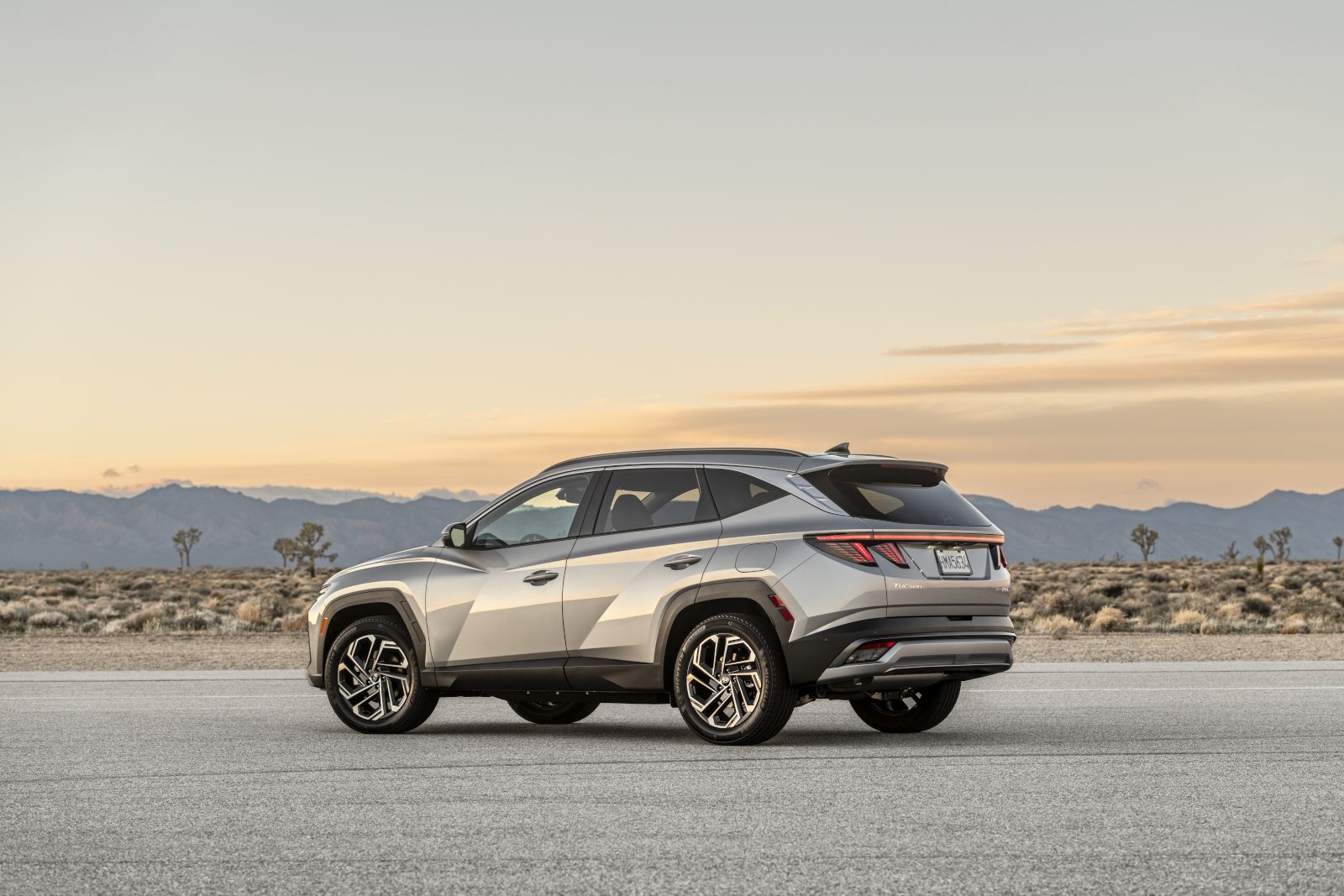
The Tucson offers more powertrain variety with three distinct options. The standard 2.5L 4-cylinder engine produces 187 horsepower and 178 lb-ft of torque, paired with an 8-speed automatic transmission and standard all-wheel drive. For buyers seeking better fuel economy, the 1.6L turbo hybrid system provides lower consumption ratings while maintaining AWD capability. The range-topping 1.6L turbo plug-in hybrid delivers 268 horsepower and 258 lb-ft of torque for drivers who want both performance and electric-only driving range.
The Kona takes a simpler approach with two engine choices. The base 2.0L 4-cylinder engine generates 147 horsepower and 132 lb-ft of torque, connected to an Intelligent Variable Transmission (IVT). This combination achieves 7.5 L/100 km combined fuel economy in front-wheel drive configuration. The N Line trim upgrades to a 1.6L turbocharged 4-cylinder engine with an 8-speed automatic transmission, delivering approximately 190 horsepower for sportier driving dynamics.
Key Performance Differences:
- Tucson provides hybrid and plug-in hybrid options not available in the Kona
- Kona offers better base engine fuel economy at 7.5 L/100 km vs. 8.8 L/100 km
- Tucson's plug-in hybrid system enables electric-only driving capability
- Both vehicles offer turbocharged engines for enhanced performance
Interior Space and Passenger Comfort
Interior dimensions clearly separate these two SUVs. The Tucson measures 4,640 mm in length with a 2,755 mm wheelbase, creating more passenger room in both front and rear seating areas. This extra space translates to better shoulder room and legroom for adult passengers, making the Tucson more comfortable for families or those who regularly carry rear-seat passengers.
The Kona's 4,350 mm length makes it nearly 290 mm shorter than the Tucson, with a correspondingly smaller cabin. While the front seats offer adequate space for most drivers and passengers, the rear seat area feels tighter, particularly for taller adults on longer trips. However, this compact size brings advantages in parking and maneuvering through crowded areas in Mississauga and the Greater Toronto Area.
Both vehicles feature heated front seats as standard equipment, along with dual-zone automatic climate control on higher trim levels. The Tucson's larger dimensions allow for more premium features like ventilated front seats on Ultimate trims, while the Kona focuses on essential comfort features across its range.
Cargo and Towing
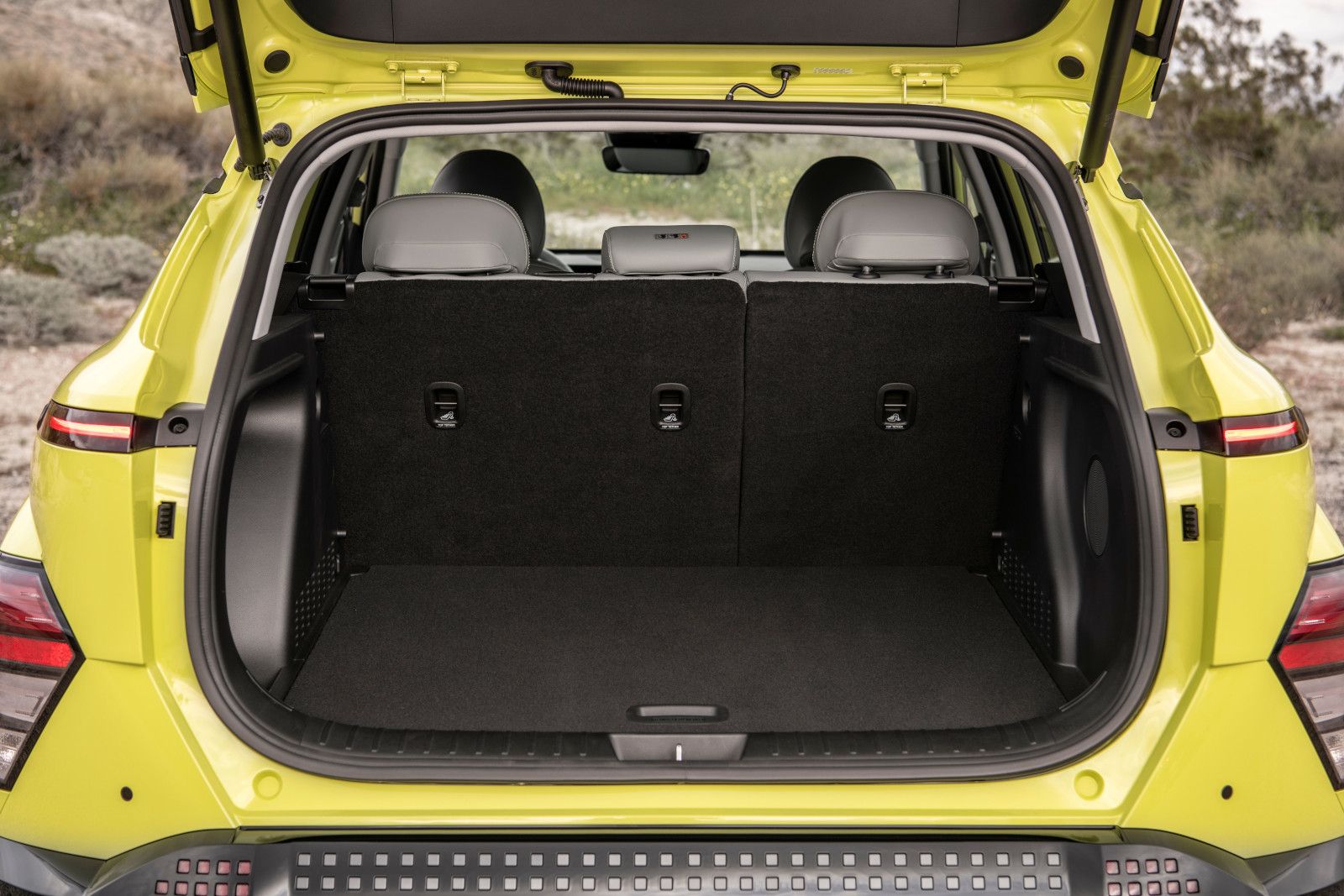
Cargo capacity shows the most significant difference between these vehicles. The Tucson provides 1,095 litres of space behind the rear seats, expanding to 2,119 litres with the rear seats folded flat. This capacity handles weekly grocery runs, sports equipment, or vacation luggage without compromise.
The Kona offers 723 litres behind the rear seats, growing to 1,803 litres with seats down. While smaller than the Tucson, this space still accommodates daily cargo needs for most Ontario drivers, especially those who primarily use their vehicle for commuting and light hauling.
For towing needs, the 2026 Tucson can pull up to 1,247 kg (2,750 lbs) with trailer brakes, making it suitable for small trailers, boats, or recreational equipment. The 2026 Kona is not recommended for trailer towing, making the Tucson the clear choice for drivers who need towing capability.
Technology and Safety Features
Both vehicles include Hyundai's latest infotainment system with a 12.3-inch touchscreen, wireless Apple CarPlay and Android Auto, and the Bluelink connected vehicle system. The Tucson and Kona both offer over-the-air software updates and comprehensive smartphone integration.
Safety equipment remains consistent across both models, with Hyundai SmartSense included as standard. Forward Collision-Avoidance Assist, Lane Keeping Assist, Blind-Spot Collision Warning, and Smart Cruise Control with Stop & Go provide confidence on Ontario highways and city streets.
Higher trim levels add advanced features like Surround View Monitor, Blind View Monitor, and Remote Smart Parking Assist on both vehicles. The Tucson's Ultimate trim includes additional driver assistance technologies, while the Kona's N Line with Ultimate Package matches many of these capabilities.
Trim Levels and Options
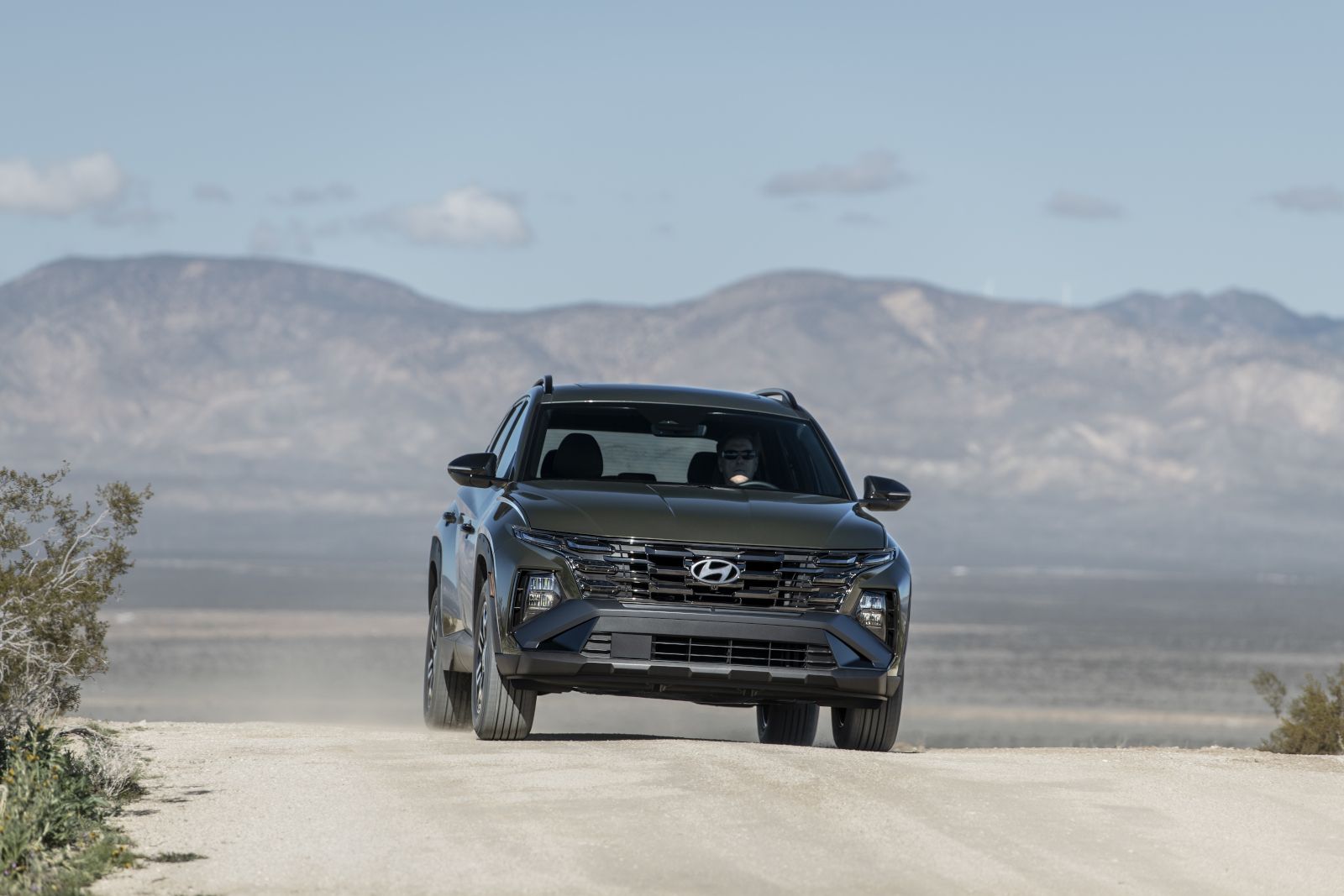
The Kona offers a range of configurations to match different needs and preferences. Essential and Preferred trims provide fundamental features and comfort, while N Line variants add sport styling and turbocharged performance for drivers seeking a more dynamic experience.
The Tucson lineup focuses on well-equipped trims with standard all-wheel drive across the range. The hybrid and plug-in hybrid options provide environmental benefits and potential fuel savings for drivers prioritizing efficiency without sacrificing utility.
Which Model is Right for You?
Choose the 2026 Hyundai Kona if you prioritize fuel efficiency and easy urban maneuverability. Its compact dimensions make parking simple in downtown Mississauga, while the efficient 2.0L engine keeps operating costs low. The Kona works well for singles, couples, or small families who don't regularly need maximum cargo space or any towing capability.
Select the 2026 Hyundai Tucson when you need more interior room, cargo capacity, and towing ability. Families with children, active lifestyle enthusiasts, or anyone who regularly carries passengers will appreciate the extra space. The hybrid and plug-in hybrid powertrains appeal to drivers seeking efficiency without sacrificing utility, while the standard all-wheel drive provides year-round confidence on Ontario roads.
Experience Both Models at Cooksville Hyundai
The choice between the Tucson and Kona ultimately depends on how you plan to use your SUV daily. Both vehicles offer Hyundai's reputation for reliability, comprehensive warranty coverage, and modern features that enhance your driving experience. Visit our team at Cooksville Hyundai in Mississauga to test drive both models and discover which one matches your specific needs and driving style.