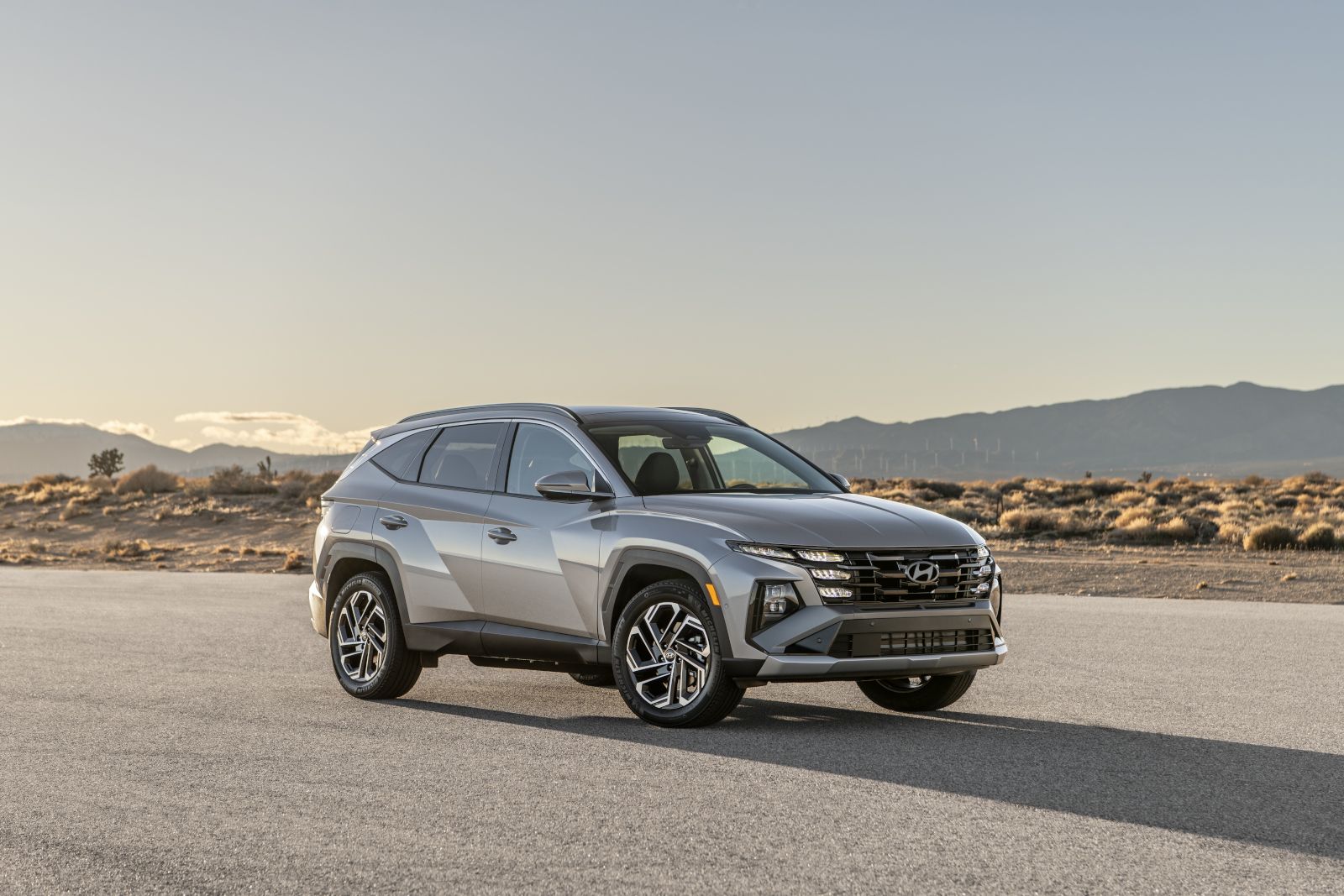
Rising fuel costs have Ontario drivers looking for smarter ways to reduce their transportation expenses. The 2025 Hyundai Tucson Plug-in Hybrid (PHEV) offers a data-backed solution that could save Mississauga families over $1,200 annually compared to traditional gasoline engines. Using official Natural Resources Canada figures, we can calculate exactly how much the PHEV's 51 kilometres of electric range translates into real savings at the pump.
The numbers tell a clear story. With annual fuel costs of just $1,429 for the PHEV versus $2,728 for the gasoline all-wheel drive model, Ontario drivers can expect substantial savings that add up quickly over the vehicle's lifespan. These calculations are based on Natural Resources Canada's standardized testing, which assumes 20,000 kilometres of annual driving and current fuel prices across Canada.
Explore the Hyundai Tucson PHEV
Experience the perfect balance of power and efficiency with the Hyundai Tucson Plug-in Hybrid at Cooksville Hyundai. Versatile, refined, and built for everyday confidence—it's a smarter kind of SUV.
Browse Tucson PHEV Inventory >
At a Glance: 2025 Tucson Fuel Cost Comparison
|
Model
|
Engine
|
Combined Fuel Economy
|
Annual Fuel Cost
|
Annual Savings vs PHEV
|
|
Tucson PHEV
|
1.6L 4-cylinder turbo hybrid
|
3.1 Le/100km
|
$1,429
|
—
|
|
Tucson Hybrid
|
1.6L 4-cylinder turbo hybrid
|
6.7 L/100km
|
$2,077
|
$648
|
|
Tucson AWD
|
2.5L 4-cylinder
|
8.8 L/100km
|
$2,728
|
$1,299
|
Performance and Efficiency Breakdown
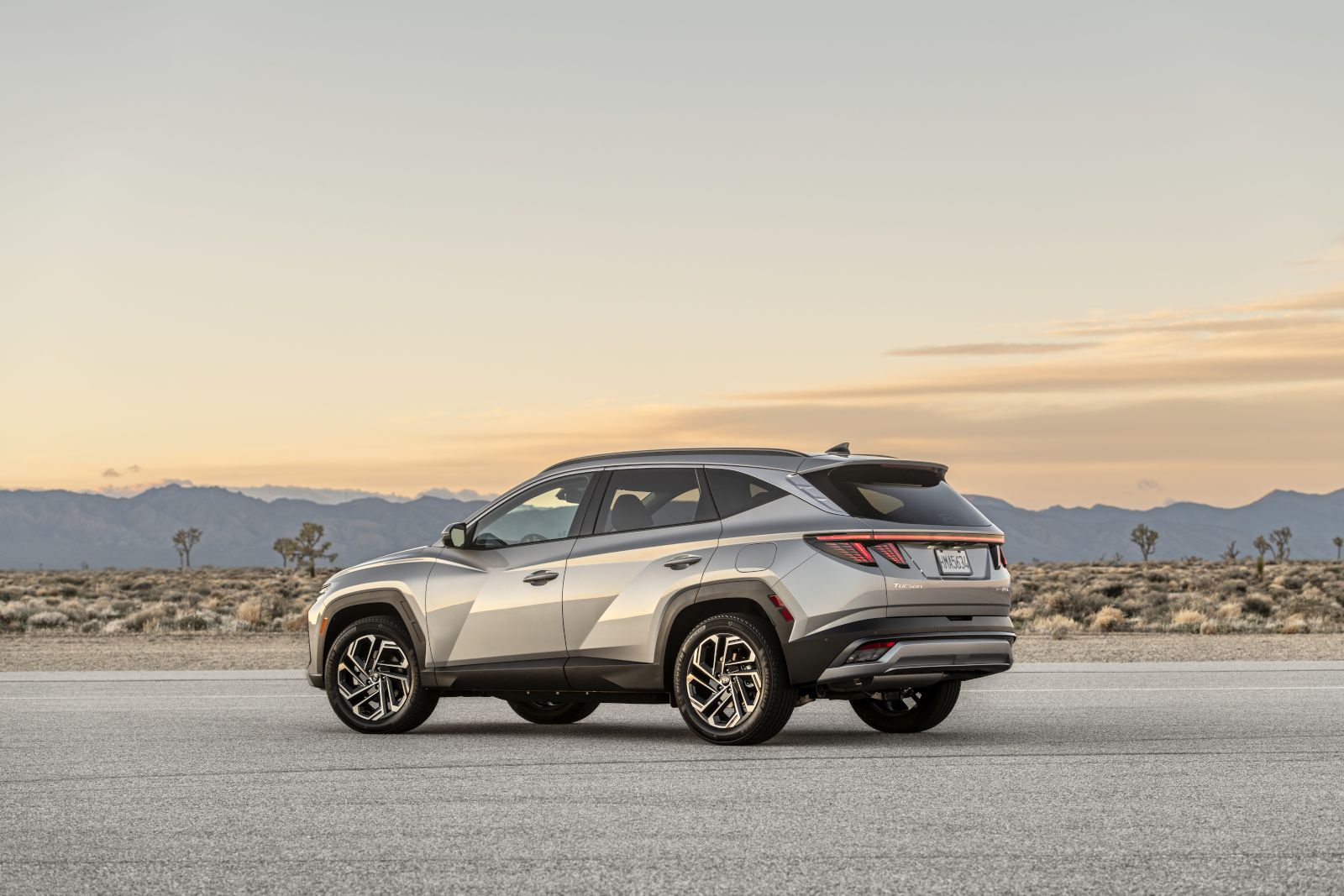
The Tucson PHEV uses a 1.6L 4-cylinder turbo hybrid engine that operates in multiple modes to optimize efficiency. During daily commuting around Mississauga, the 51-kilometre electric range handles most short trips without using any gasoline. For longer journeys across Ontario, the hybrid system seamlessly switches between electric and gasoline power to maintain performance while maximizing fuel economy.
The conventional hybrid model offers improved efficiency over the standard gasoline engine but cannot match the PHEV's electric-only capability. The 2.5L gasoline AWD model provides solid performance but consumes significantly more fuel, especially in stop-and-go city driving conditions common throughout the Greater Toronto Area.
Key efficiency advantages of the PHEV include:
- Zero fuel consumption for trips under 51 kilometres when fully charged
- Regenerative braking that recaptures energy during deceleration
- Smart hybrid system that automatically selects the most efficient power source
- All-wheel drive capability without sacrificing fuel economy
Understanding Your Real-World Savings
Natural Resources Canada's calculations provide a standardized baseline, but actual savings depend on your driving patterns. Mississauga drivers who primarily use their Tucson for local errands, school runs, and daily commutes will see the greatest benefit from the PHEV's electric range. Those who frequently travel longer distances will still save money compared to gasoline models, though the difference may be less dramatic.
The $1,299 annual savings compared to the gasoline AWD model assumes a mix of city and highway driving totaling 20,000 kilometres per year. At current electricity rates of $0.18 per kWh and regular gasoline at $1.55 per litre, the PHEV's operating costs remain significantly lower even when accounting for home charging expenses.
Additional financial benefits include:
- Potential provincial rebates for plug-in hybrid vehicles
- Reduced maintenance costs due to less engine wear
- Higher resale value as demand for efficient vehicles grows
- Lower emissions that may qualify for future carbon tax benefits
How Much Fuel Can You Actually Save?
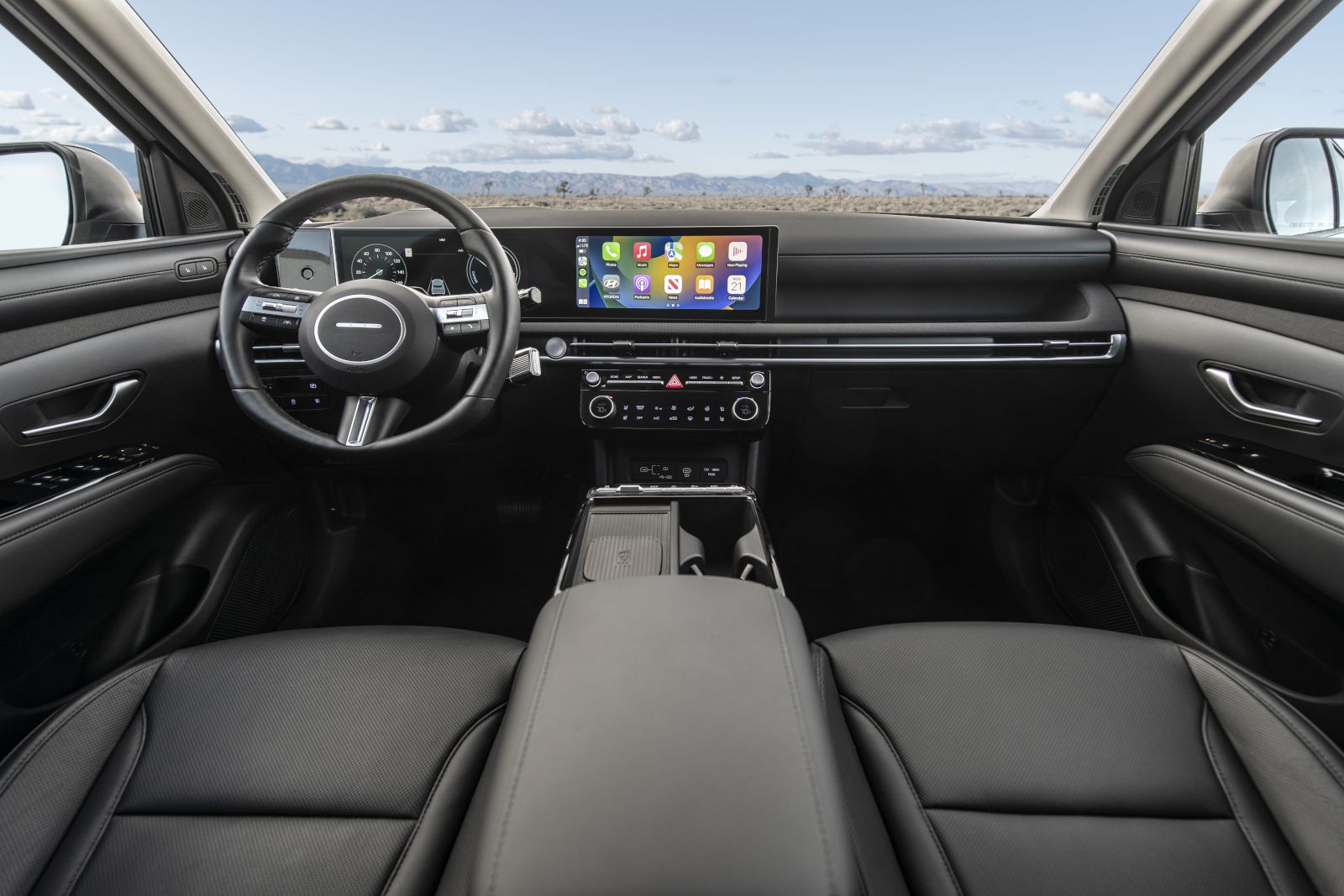
Based on Natural Resources Canada's testing methodology of 20,000 kilometres annually, here's exactly how much fuel the PHEV saves compared to other Tucson models:
Annual Fuel Consumption:
- Tucson PHEV: 620 litres equivalent per year
- Tucson Hybrid: 1,340 litres per year
- Tucson Gasoline AWD: 1,760 litres per year
Your Annual Fuel Savings with the PHEV:
- vs Hybrid: 720 litres saved per year
- vs Gasoline AWD: 1,140 litres saved per year
Over a typical five-year ownership period, PHEV drivers in Ontario can expect to save between 3,600 and 5,700 litres of fuel compared to conventional powertrains. The electric-only range of 51 kilometres means many daily trips around Mississauga use zero gasoline, while longer journeys still benefit from the hybrid system's efficiency.
Which Tucson Model Fits Your Budget?
The fuel savings calculation becomes part of your total cost of ownership decision. While the PHEV commands a higher purchase price than conventional models, the annual fuel savings help offset this difference over time. For Ontario families driving typical distances, the payback period makes the PHEV an economically sound choice.
Consider the PHEV if you drive primarily within the Greater Toronto Area, have access to home charging, and want maximum fuel efficiency. The conventional hybrid works well for drivers who want better fuel economy than gasoline but don't need plug-in capability. The gasoline AWD remains suitable for those prioritizing lower upfront costs over long-term fuel savings.
Experience the Tucson PHEV at Cooksville Hyundai
The 2025 Hyundai Tucson PHEV is available now at Cooksville Hyundai in Mississauga. Our team can help you calculate your specific fuel savings based on your driving patterns and show you how the PHEV's advanced technology works in real-world conditions. Schedule your test drive today to experience the smooth transition between electric and hybrid modes that makes the Tucson PHEV an ideal choice for Ontario drivers.
You might also be interested in these blogs: